

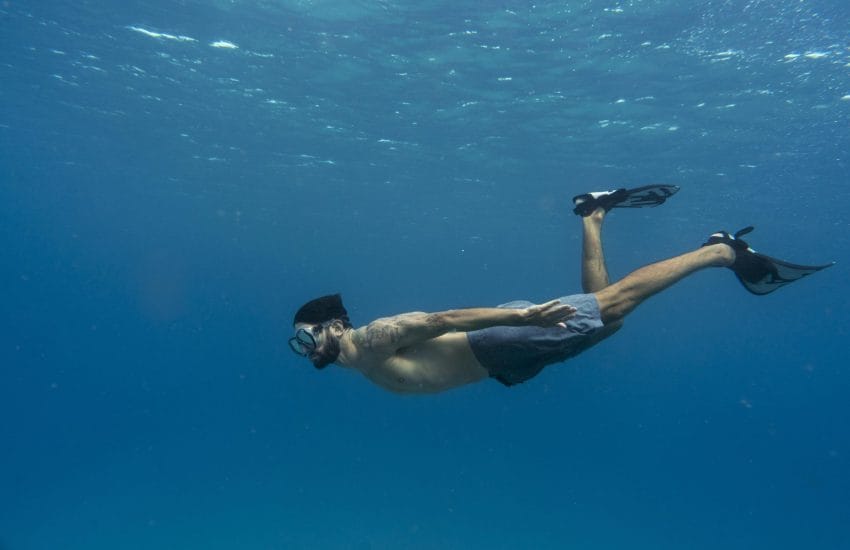
When you want to be part of ecstatic activities, the drift snorkeling in West Palm Beach is one of the secret superpowers. When you time the tides right, clear ocean water sweeps through our inlets and over shallow reefs, giving you a gentle ride and postcard‑worthy visibility. When you miss the window… not so much. This guide breaks down exactly when to go, why it works, and how to plan a stress‑free session that feels effortless.
Quick take (for busy planners)
- Gold standard: The 90‑minute window centered on high slack tide—roughly 30 minutes before to 60 minutes after the posted high tide at or near the Lake Worth Inlet (Riviera Beach).
- Runner‑up: The last hour of an incoming tide if you can’t hit slack exactly.
- Skip it: The middle of an outgoing tide after heavy rain or strong onshore winds.
Want the easy button? Our captains build your snorkel around the best slack window of the day and handle the timing, staging, and safety brief so your group can just glide.
Drift snorkeling 101 (how it actually works)
Drift snorkeling uses the natural current to move you along a route without kicking hard. In West Palm Beach, water flows in and out of the Lake Worth Lagoon through the Lake Worth Inlet. During the incoming tide, clear ocean water pushes into the lagoon; during outgoing, lagoon water carries more sediment back out.
The magic moment is high slack tide—the short lull after incoming water peaks and before the flow reverses. Sediment settles, current softens, and visibility spikes—especially around the mapped trail at Phil Foster Park’s snorkel route when you hit the timing right.
Why slack is king
- Clarity: Minimal suspended sand and silt.
- Control: Gentle or near‑zero current makes it easy to pause for photos.
- Safety: Less effort for beginners and kids; easier to keep the group together.
The best tide windows, ranked
- High slack tide (top choice):
- Target a 45–90 minute session that straddles the posted high tide.
- Be geared up 20–30 minutes before the tide time so you’re actually in the water at slack.
- Late‑incoming tide:
- Good clarity and a manageable push as the ocean water peaks.
- Plan a shorter drift, and use a float/flag strategically.
- Early‑incoming tide:
- Usable for scouting and shallow practice; clarity builds toward the peak.
- Outgoing tide (avoid unless guided):
- More sediment, stronger surface chop in wind, and less predictable visibility.
Pro move: If you have two potential high tides on your free day, pick the one with lighter winds, not just the bigger tidal height. Wind wins the viz battle more often than people think.
How to read a tide chart (fast and accurate)
- Pick the right station: Use a station close to the action (e.g., Lake Worth Inlet/Riviera Beach). Nearby stations are okay—just apply a small timing offset if noted; if you’re new to tide terms, this clear primer from NOAA on how tides work is gold (read the explainer).
- Find today’s High: Note the time of the next High and circle it.
- Back‑plan 30 minutes: This is when you should be zipped up and floating, not still in the parking lot; if you’re mapping logistics, skim our concise destinations overview while you plan.
- Check wind & rain: Sub‑15‑knot winds and 24 hours without heavy rain are your friends.
- Build a safe route: Start up‑current of your planned exit. Identify a bail‑out point halfway through.
Timing example
- Posted high tide: 11:40 AM
- In‑water goal: 11:15 AM
- Primary window: 11:15 AM – 12:45 PM
Visibility: what helps and what hurts
Helps
- Incoming/Slack tide
- Light winds, especially offshore or light variable
- Two or more dry days (fewer runoff particles)
Hurts
- Strong onshore winds (east/southeast) > 15 knots
- Heavy rain within 12–24 hours
- Large boat traffic in shallow areas stirring the bottom
If conditions are borderline, tighten the plan: stick to shallow structure, shorten the route, and use a conservative turnaround time.
Safety and etiquette (drift‑specific)
- Flag & float: When required, tow a highly visible float/flag. Assign one strong swimmer to manage it.
- Group spacing: Stagger by 1–2 body lengths; bunching reduces visibility and kicks up sand.
- Boat channels: Never cross on the surface; stay inside marked swim zones and avoid shortcuts.
- Signals: Thumbs‑up for end; palm‑flat “okay” for status; two fingers pointed at eyes = “look here.”
- Respect wildlife: No touching, chasing, or blocking the path of animals. Give rays, turtles, and manatees extra space; quick refresher here: wildlife respect guidelines.
For families and first‑timers, keep the first drift under 45 minutes. Confidence goes up when everyone exits smiling.
Route planning: simple templates
Shore‑based sampler (45–60 min)
- Start up‑current from your chosen exit.
- Drift along structure (rocks, bridge pilings, artificial reefs) during late‑incoming → slack.
- Exit early if wind or current shifts.
Boat‑assisted drift (60–90 min)
- Captain drops you at the ideal entry just before slack.
- Slow drift along the best contour with a visible float—this is our bread‑and‑butter snorkeling trip format.
- Step aboard at the pre‑set pickup; if timing’s perfect and the group’s keen, lock your spot via book a charter and we’ll stage the exact window.
- Slow drift along the best contour with a visible float.
- Step aboard at the pre‑set pickup—no slog back against the flow.
Combo day (2–4 hrs)
- Prime slack snorkel first.
- Then switch gears: an island stop, sandbar swim at the lively Jupiter Sandbar, or light lunch before a brief second session.
Seasonal patterns in West Palm Beach
- Winter: Cooler, often clearer water when winds are calm. Quieter crowds; bring a light top.
- Spring: Stable viz windows and lively fish schools. Macro life pops on structure.
- Summer: Warm, energetic reefs; watch for afternoon storms and occasional sea‑lice days.
- Fall: Some of the year’s best clarity on calm weeks, plus migrating rays and jacks.
Slack remains the unifying factor across seasons—hit it and your odds improve dramatically.
Common mistakes (and easy fixes)
- Arriving at the posted high tide: You’ll miss part of slack gearing up. Be early.
- Starting down‑current: You’ll drift past your exit. Start up‑current with a bailout.
- Over‑packing: Keep it tight—mask, fins, rashguard, float/flag, small dry bag.
- Ignoring wind: A modest tide with calm winds beats a big tide with strong onshore wind.
- Chasing wildlife: You’ll stir sand and spook the good stuff. Hover, don’t herd.
Drift day checklist
- Tide chart screenshot & wind forecast
- Flag/float, mask, snorkel, fins, rashguard
- Reef‑safe sunscreen (apply 30 minutes before water)
- Water + light snacks
- Dry bag for phone/keys, microfiber towel
- Simple fish ID card for post‑snorkel fun
Bonus: Decide on your end signal and a meet‑up point on shore or with your captain.
Tide math & local offsets (make the chart work for you)
- Primary station: Use readings nearest Lake Worth Inlet (Riviera Beach). If you must use a nearby station, note the published time offset and adjust your plan accordingly (e.g., ±5–20 minutes).
- Spring vs. neap tides: Around full/new moons (spring tides), the incoming push and slack window can be stronger but shorter; around quarter moons (neap tides), currents are milder and slack can feel longer—excellent for beginners.
- Plan buffers: Add 10–15 minutes of buffer for gearing up and crowd delays. Aim to be floating 20–30 minutes pre‑High.
Micro‑habitats to target (more life, less kicking)
- Rocky edges & pilings: Fish nurseries, macro critters (blennies, seahorses) on vertical structure.
- Sand‑to‑rock transitions: Rays and goatfish feed lines—drift slowly parallel, 3–6 ft off the bottom.
- Eelgrass/seaweed patches: Juvenile fish and camouflaged invertebrates; hover, don’t hover‑kick—Peanut Island’s coves make this easy (Peanut Island overview).
3 ready‑to‑run drift plans (with contingencies)
Beginner Confidence Loop (45 min)
- Late‑incoming start at a sheltered edge → Practice signals → Short drift to first bail‑out → Exit while smiles are wide.
Slack‑Window Showcase (60–75 min)
- In the water 20–30 min pre‑High → Slow lap along structure → Pause in the clearest pocket at slack → Exit at pre‑set pickup.
Photographer’s Circuit (90 min)
- Two passes on the same contour: first for scouting, second for shots → Micro‑stops at high‑traffic cleaning stations → Bail if wind exceeds plan.
Troubleshooting: if‑this‑then‑that
- Viz drops mid‑drift: Rise to mid‑water, widen spacing, and shift to the lee side of structure.
- Current increases: Angle diagonally toward the nearest safe exit; don’t fight head‑on.
- Mask keeps flooding: Re‑seat higher on your crown; a low strap angle causes leaks.
- Crowds at entry: Walk/boat one cove past the main access; clarity often improves instantly.
FAQ
How early is too early?
If you’re more than 45 minutes before High, you’ll be in building current; fine for scouting, but save photos for slack.
What if I can only go at low tide?
Pick a protected cove and shorten the route; expect lower viz and plan for an easy exit.
Do I need a guide?
Confident snorkelers can DIY, but a local captain maximizes the tide window and handles staging—especially helpful with kids or first‑timers.
Why book with Coastal Marine Charters
We make the tide window work for you:
- Slack‑first planning: We build your launch around the prime window—not the other way around.
- Boat staging & pickup: Start and finish exactly where conditions are best.
- Local expertise: We know which corners stay clear when wind and traffic change.
- Comfort & safety: Briefings, route marking, and watchful support let you focus on fun (and photos).
If you’re comparing top spots for an upcoming weekend, our deep‑dive on timing at Phil Foster Park’s snorkel trail pairs well with this guide.
Coastal Marine Charters
809 Hummingbird Way, North Palm Beach, FL 33408, United States
Phone: (561) 401‑8856
Website: https://coastalmarinecharters.com/
Ready to glide? Pick your weekend, and we’ll line up the tide, the timing, and the smiles.
